
The Importance of Inclusive Design in Adult Products
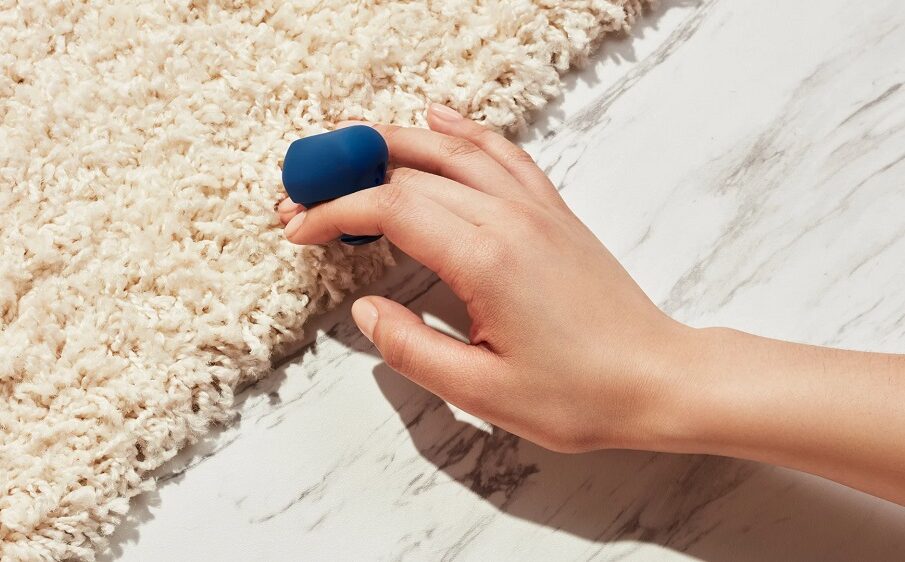
The concept of inclusive design has gained significant momentum across various industries, from software development and architecture to consumer electronics and apparel. At its core, inclusive design is the practice of creating products, services, and environments that are accessible to and usable by as many people as possible, regardless of age, ability, gender, or background. While this methodology is widely accepted in mainstream markets, its integration into the adult novelty and wellness industry is a relatively recent but critically important evolution.
For decades, adult products were manufactured with a highly narrow demographic in mind, frequently ignoring the diverse physical, cognitive, and sensory needs of the broader population. However, intimacy and personal wellness are fundamental aspects of the human experience that do not disappear due to physical disability, chronic illness, neurodivergence, or the natural aging process. Implementing inclusive design within the adult product sector is not merely a progressive trend; it is a vital step toward safeguarding personal autonomy, promoting body positivity, and validating the rights of all individuals to experience pleasure and intimacy safely.
Redefining Access and Autonomy for Individuals with Disabilities
A significant portion of the global population lives with some form of physical or cognitive disability. Historically, the adult product market largely overlooked these individuals, forcing them to rely on devices that were difficult, painful, or entirely impossible to operate independently.
Overcoming Physical and Motor Limitations
Traditional adult wellness products often feature small buttons, rigid plastic housings, complex charging ports, and ergonomics that require high degrees of manual dexterity and grip strength. For individuals living with arthritis, multiple sclerosis, cerebral palsy, or spinal cord injuries, these design choices present insurmountable barriers. Inclusive design addresses these challenges by introducing:
-
Large, raised, or tactile buttons that require minimal pressure to activate
-
Hands-free mounting systems, wearable designs, or body-contouring shapes that do not require continuous gripping
-
Magnetic charging ports or wireless inductive charging systems that eliminate the need to manipulate tiny, precise plugs
-
Texturized, non-slip handles made from medical-grade silicone to prevent accidental dropping
Preserving Privacy and Self-Determination
When consumer products lack accessible features, individuals with disabilities are often forced to seek assistance from partners or caregivers. In the realm of personal wellness and sexual health, a lack of accessible design actively strips an individual of their privacy and sexual autonomy. Well-engineered, inclusive adult products empower individuals to explore their own bodies or engage with their partners entirely on their own terms, fostering a profound sense of self-determination and emotional well-being.
Addressing the Nuances of Chronic Illness and Sensitivities
Inclusive design extends far beyond motor disabilities; it also encompasses the needs of individuals managing chronic illnesses, sensory processing disorders, and severe chemical sensitivities.
Managing Pain and Tissue Sensitivity
Many chronic conditions, such as fibromyalgia, endometriosis, and pelvic floor dysfunction, can make vibration or physical pressure highly painful rather than pleasurable. Inclusive manufacturers are restructuring their product lines to offer highly customizable, low-intensity options. This includes creating devices that utilize air-pulsation technology rather than heavy mechanical vibrations, as well as programming micro-adjustments into power settings so users can fine-tune the device to match their body’s daily comfort levels.
Sensory and Chemical Inclusivity
Neurodivergent individuals, including those on the autism spectrum, often experience sensory processing differences that make certain textures, high-pitched mechanical noises, or bright flashing LED lights highly jarring or overstimulating. Inclusive adult design prioritizes whisper-quiet motors, matte or ultra-soft textures, and subtle visual indicators. Furthermore, inclusive design mandates absolute transparency in material composition, utilizing hypoallergenic, body-safe materials like non-porous borosilicate glass or premium medical-grade silicone to protect individuals with autoimmune conditions or severe chemical hypersensitivities.
Navigating Age-Related Physiological Changes
The human body undergoes predictable physiological transformations as it ages, yet cultural stigmas frequently frame intimacy as the exclusive domain of the young. Inclusive design actively challenges this ageist narrative by adapting products to the realities of mature bodies.
Adapting to Changing Biomechanics
As adults enter their senior years, changes in hormone levels, tissue elasticity, and blood circulation can alter how the body responds to physical stimulation. For example, post-menopausal individuals often require gentler, non-invasive stimulation options due to thinning skin and reduced natural lubrication. Products designed with the aging demographic in mind focus on promoting vascular health, alleviating discomfort, and accommodating decreased mobility or flexibility without making the user feel pathologized or medicalized.
Intuitive User Interfaces
Many modern consumer products are over-engineered, featuring complex mobile application integrations, Bluetooth dependencies, or confusing multi-button sequences to change a single setting. For older adults who may not be digitally native or who experience age-related cognitive changes, these features introduce frustration. Inclusive design prioritizes simplicity, ensuring that a product can be operated intuitively straight out of the box with clear, high-contrast visual indicators or straightforward manual controls.
The Economic and Social Impact of Inclusive Development
Embracing inclusive design is not only an ethical imperative for manufacturers; it also represents a highly logical and lucrative business strategy that reshapes cultural perspectives.
Expanding Market Share and Consumer Loyalty
When a company designs a product that accommodates marginalized users, they inadvertently create a superior product for the mainstream market. A device that is easy to hold for someone with arthritis is also more comfortable to hold for a able-bodied consumer. By widening the lens of development, manufacturers tap into a massive, historically underserved global demographic with significant purchasing power. Consumers who find products that genuinely respect and accommodate their bodies develop immense brand loyalty and drive positive word-of-mouth advocacy.
Dismantling Ableist Stigmas around Intimacy
Society has historically desexualized people with disabilities and older adults, treating their intimacy as non-existent or taboo. When major wellness brands visibly implement inclusive design and feature diverse bodies in their marketing, they perform critical cultural work. It normalizes the reality that sexual health and pleasure are universal human rights, reducing social stigmas and encouraging healthcare professionals to discuss sexual wellness openly with aging or disabled patients.
Frequently Asked Questions
What is the specific difference between accessible design and inclusive design in adult products?
Accessible design focuses primarily on the end result, ensuring that a product complies with specific standards to accommodate individuals with disabilities. Inclusive design is the broader methodology used to achieve that accessibility; it involves bringing diverse users into the development and testing phases from the very beginning to ensure the product naturally suits a vast spectrum of human variations without needing separate modifications.
How do inclusive adult products accommodate individuals who are blind or visually impaired?
Inclusive adult products accommodate visual impairments by utilizing distinct tactile markings, varied button shapes, and audible or vibrational feedback cues rather than relying entirely on flashing LED lights or digital screens to communicate power levels, battery life, or operational modes.
Why is the material composition of adult products considered an inclusive design issue?
Material selection is a critical aspect of inclusivity because many people live with systemic allergies, skin sensitivities, or compromised immune systems. Cheap materials like porous plastics or materials containing phthalates can harbor bacteria and leach toxins into the body. Using non-porous, hypoallergenic, medical-grade materials ensures that individuals with medical vulnerabilities can use the products safely.
Are inclusive adult products more expensive to manufacture than standard novelty items?
The initial research, development, and tooling phases for inclusive designs can require a higher upfront investment due to custom ergonomic molding and high-quality internal motors. However, because these products generally use premium, long-lasting materials and appeal to a much wider consumer audience, the long-term manufacturing costs stabilize, making them highly profitable over their lifecycle.
How does neurodivergence influence a person’s relationship with adult wellness products?
Neurodivergence, such as autism or ADHD, can cause sensory hypersensitivity or hyposensitivity. An individual might find standard device vibrations or mechanical hums completely overwhelming, while another might require very specific rhythmic patterns to maintain focus. Inclusive design provides highly customizable, quiet, and texture-neutral options to accommodate these unique cognitive processing styles.
Can inclusive design assist individuals recovering from major medical traumas, such as cancer treatments?
Yes. Individuals recovering from surgeries, pelvic radiation, or chemotherapy often experience profound changes in physical sensation, scar tissue restrictions, and emotional vulnerability. Inclusive products that offer gentle, highly controlled, and non-threatening forms of stimulation serve as valuable tools in physical therapy and emotional rehabilitation, helping survivors reconnect with their bodies safely.